
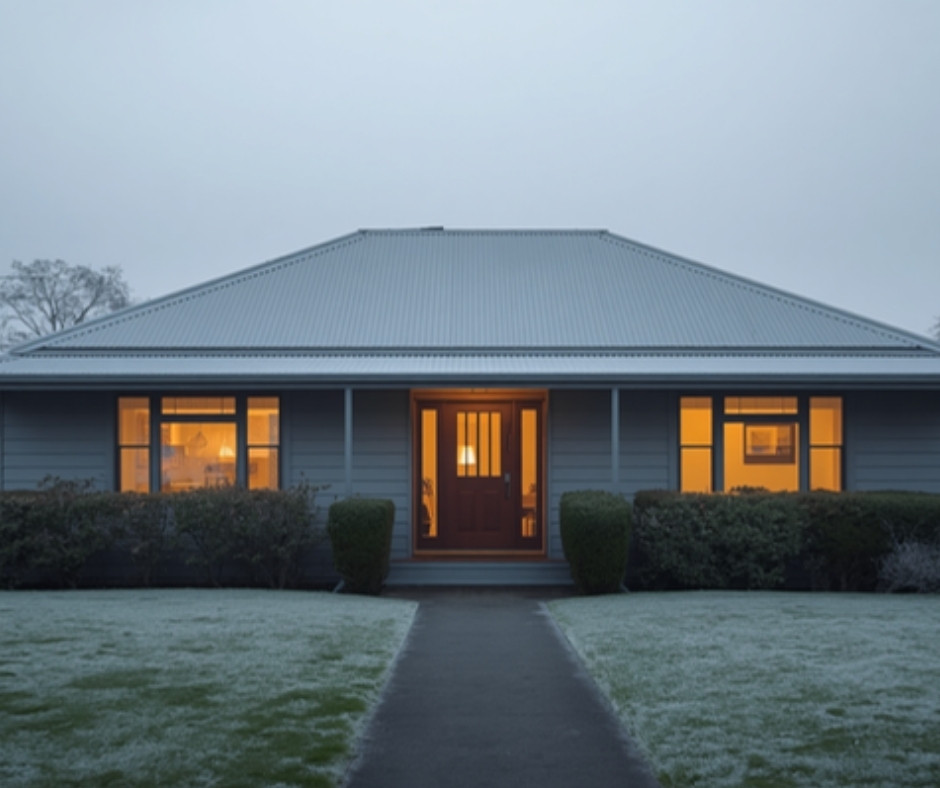
Selling your home in winter in Christchurch isn’t the disadvantage most people assume. July and August bring fewer listings to market, which means less competition — and the buyers who are still active are usually serious ones. Here’s an honest look at what it takes to sell well in the cooler months.
Does Winter Really Slow Down a Sale?
The short answer is no — not if you’re prepared. The Christchurch market does see a seasonal dip in new listings over June and July, which is precisely what works in your favour as a seller. With fewer homes competing for buyers’ attention, the people viewing properties in winter tend to have a genuine reason to buy: a lease ending, finance pre-approved, a job relocation, or a property they’ve already sold.
The idea that you should hold off until spring is conventional wisdom that doesn’t always hold up under scrutiny. A well-presented home in the right suburb, priced accurately and marketed properly, can perform just as well in winter as in October.
Less Competition, More Focused Buyers
When total listings drop across Christchurch, the homes that are available get more attention per property. A buyer scrolling Trade Me in July isn’t browsing casually — they’re comparing a smaller pool of options with genuine intent. That focus often translates to faster decision-making and fewer conditional delays.
This is one of winter’s underrated advantages. If your home is the best option available in your price range and suburb, you don’t need a crowd at your open home. You need the right people — and winter tends to deliver them.
Take a look at what’s currently available across the city — from 49 Wildberry Street in Woolston to 2/5A Purakanui Place in Northwood — to understand the current landscape and where your home might sit.
Warmth: The First Thing Buyers Notice
When a buyer walks through your front door on a cold July afternoon, their first impression is physical. A warm, dry, well-lit home signals that the property is cared for and comfortable to live in — two things that carry enormous weight in a Christchurch winter.
Heat your home for at least an hour before any open home or private viewing. Don’t limit this to the lounge — bedrooms and bathrooms matter too. Cold spots create doubt. If you have a heat pump, gas fire, or log burner, make sure it’s running and visibly working before the first person steps inside.
If you have a heat pump, HRV system, or underfloor heating, mention it. Buyers in winter actively search for properties with good heating, and it’s a genuine, provable selling point in Canterbury’s climate.
Moisture and Dampness: Deal With It Before Buyers Find It
Winter puts moisture issues under a spotlight. Any sign of condensation, mould, or a damp smell will be noticed immediately by a buyer — and it raises immediate questions about the property’s broader condition. Bathrooms, laundries, and north-facing bedrooms are the common trouble spots.
Simple steps go a long way: run extraction fans regularly, open windows on fine days, and address any surface mould before viewings begin. If there’s a more significant underlying issue, it’s worth sorting it out before you list rather than having it surface in a pre-purchase building inspection.
Light and Presentation in the Grey Months
Natural light is limited in winter, so you need to be deliberate about how your home is lit. Turn on every lamp and overhead light before a viewing — warm, layered artificial light can make a room feel more inviting than the flat grey light of an overcast Christchurch afternoon.
Schedule open homes to make the most of available daylight. A mid-morning to early-afternoon slot — roughly 10am to 1pm — lets you capture whatever winter sun there is. Avoid late-afternoon viewings when the light is already disappearing behind neighbouring rooflines.
Small staging touches make a real difference in winter. A soft throw over the couch, cushions in warmer tones, and a subtle candle help buyers picture themselves at home on the coldest day of the year. These aren’t tricks — they’re context. You’re helping people see your home’s genuine potential.
The Garden: Focus on Tidiness
Winter gardens look different, and experienced buyers understand that. Don’t try to disguise a lawn that’s past its summer best — focus instead on tidiness. Clean pathways, a swept entrance, a well-edged berm, and a freshly painted letterbox all signal that the property has been looked after. If you have any winter-flowering plants — camellias are a classic Christchurch choice — position them where they’ll be seen from the entrance or main windows.
For properties like 5 Shamrock Place in Halswell, where the section and outdoor space are part of the appeal, it’s worth walking through the garden before every open home and clearing any obvious winter debris.
Pricing in a Winter Market
Canterbury’s property market held up well through the first half of 2026, with the regional median sitting at around $725,000 in May. Christchurch City broadly tracked that figure. A correct price, based on recent comparable sales in your specific suburb, is the single most important factor in achieving a good result — regardless of season.
An experienced local agent will give you an accurate read of where your home sits right now, not a best-case figure designed to win a listing. If you’re weighing up a sale this winter, a free appraisal is always a sensible starting point.
Request a free appraisal from the Wilson Perry team — we’ll walk through your home, look at what’s sold nearby, and give you an honest picture of what it could achieve in today’s market.
If you’re also considering buying, our buyer resources cover what to look for when purchasing in Christchurch.
Frequently Asked Questions
Is winter a bad time to sell in Christchurch?
Not necessarily. Winter brings fewer listings to market, which reduces competition for sellers. Buyers who are active in winter tend to be motivated and working to a genuine timeline, which can lead to faster offers and less time on market for a well-presented property.
How do I make my home feel warmer for viewings?
Heat every room — not just the main living area — for at least an hour before any viewing. Turn on lamps and overhead lights to compensate for lower natural light, and add small styling touches like throws and cushions to help buyers picture the space as comfortable and liveable.
Will I get a lower price if I sell in winter?
Not automatically. Pricing depends on recent comparable sales in your suburb, the condition of your property, and how well it is presented and marketed. A well-priced, well-presented home can achieve a strong result in any season. Ask your agent to show you the comparable evidence, not just a seasonal generalisation.
What’s the best time to hold open homes in winter?
Mid-morning to early afternoon works best — typically 10am to 1pm. You want to take advantage of available daylight and avoid the rapid light drop that happens from mid-afternoon in July and August. Weekend slots still attract more foot traffic than weekday opens in most Christchurch suburbs.
What should I prioritise before listing in winter?
Focus on warmth, moisture, and light: address any condensation or mould issues, confirm that heating systems are working, replace blown light bulbs, and tidy the exterior. A pre-listing building inspection can also help you get ahead of anything a buyer’s inspector might flag.



Join The Discussion